

Classroom learning doesn’t have to be boring.
If you’ve ever watched students lose focus during quizzes or revision time, you’re not alone. Traditional worksheets and slides rarely keep attention for long. That’s exactly where Gimkit games shine.
With every Gimkit new game, teachers can turn lessons into live competitions, strategy challenges, and fast-paced learning experiences that students genuinely enjoy.
In this complete guide, you’ll learn:
- How to start a new Gimkit game
- How to Gimkit create game step-by-step
- Popular Gimkit game modes
- How Gimkit game codes work
- Tips to boost engagement
- Plus alternatives and games like Gimkit
Whether you’re a teacher, parent, or school leader, this guide will help you use Gimkit with confidence.
What Is Gimkit?
Gimkit is a game-based learning platform where students answer questions to earn virtual money, power-ups, and upgrades.
Instead of answering a question once and moving on, students:
- Earn rewards
- Reinvest earnings
- Compete strategically
- Stay motivated longer
This creates deeper repetition and better knowledge retention.
Unlike standard quiz tools, Gimkit games feel like video games, not tests.
Why Teachers Love a Gimkit New Game
Launching a Gimkit new game takes minutes, yet the impact on engagement is huge.
Key benefits:
- Higher student participation
- Better focus and energy
- Immediate feedback
- Works for all subjects
- Perfect for remote or in-person learning
- Fun without sacrificing learning outcomes
Teachers often report that quiet students participate more actively during Gimkit sessions.
How to Gimkit Create Game (Step-by-Step)
If you’re new, don’t worry. Creating your first new Gimkit game is simple.
Step 1 – Sign In
Go to Gimkit and log into your teacher account.
Step 2 – Click “Create Kit”
A “Kit” is your question set.
Add:
- Multiple choice questions
- Text answers
- Images
- Import from Quizlet or spreadsheets
Step 3 – Choose Game Mode
Select from different Gimkit game modes (more on this below).
Step 4 – Generate Game Code
Start the session and share the Gimkit game codes with students.
Step 5 – Play!
Students join on their devices and begin competing instantly.
Total setup time: 5–10 minutes.
Popular Gimkit Game Modes Explained
One reason teachers keep coming back is the variety of Gimkit game modes.
Each mode changes how students interact with questions.
Classic Mode
Students earn money for correct answers and buy upgrades.
Best for:
- Revision
- Practice tests
- Homework review
Team Mode
Groups work together instead of individually.
Best for:
- Collaboration
- Classroom bonding
- Lower pressure competition
Trust No One (Among Us style)
Students complete questions while trying to identify “impostors”.
Best for:
- Engagement days
- Middle schoolers
- Fun review sessions
The Floor Is Lava
Students answer quickly to avoid elimination.
Best for:
- Speed practice
- Quick knowledge checks
Boss Battle
Students defeat a boss with correct answers.
Best for:
- Exam prep
- Topic mastery
Switching modes keeps learning fresh and prevents boredom.
How Gimkit Game Codes Work
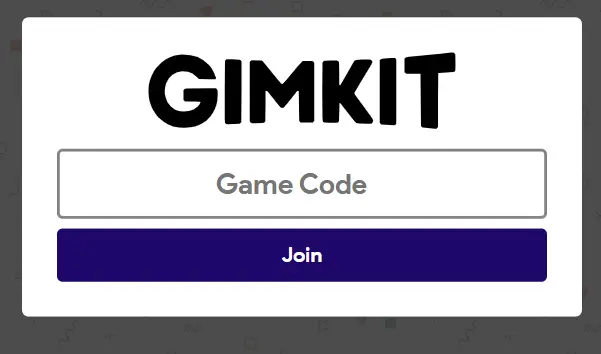
When you launch a session, Gimkit generates a unique game code.
Students:
- Visit Gimkit join page
- Enter the code
- Type their name
- Start playing
Pro tips:
- Display the code on your screen
- Lock late entries after starting
- Use nicknames for privacy
Codes make it fast and safe for classrooms.
Tips to Make Better Gimkit Games
Creating questions is easy. Creating great Gimkit games takes strategy.
Here’s what works best.
Keep Questions Short
Long text slows gameplay. Aim for clarity and simplicity.
Use Images
Visuals boost understanding and retention.
Mix Difficulty
Include:
- Easy warm-ups
- Medium challenges
- Hard stretch questions
Add More Questions Than Needed
Extra questions prevent repetition.
Set Time Limits
Keeps energy high and prevents slow rounds.
Use Rewards Wisely
Balance upgrades so the game stays competitive.
Real Classroom Example
A Year 8 science teacher used a new Gimkit game for a biology test review.
Instead of worksheets:
- 30 questions
- Team mode
- 20 minutes
Results:
- 100% participation
- Students asked to replay
- Test scores improved by 18%
Gamified repetition clearly works.
Games Like Gimkit (Alternatives to Try)
While Gimkit is powerful, you may want options.
Here are popular games like Gimkit:
Kahoot
Fast quiz competitions. Great for quick reviews.
Blooket
Similar strategy gameplay with collectible characters.
Quizizz
Homework and self-paced quizzes.
Quizlet Live
Flashcard-based team play.
Nearpod
Interactive lessons plus quizzes.
Each tool has strengths, but Gimkit stands out for strategy and replay value.
Who Should Use Gimkit?
Gimkit isn’t only for schools.
It’s perfect for:
- Teachers
- Tutors
- Parents homeschooling
- Training managers
- Corporate workshops
Any learning situation can benefit from interactive quizzes.
Common Mistakes to Avoid
Even great tools can fail if used poorly.
Avoid:
- Too many questions (fatigue)
- Only hard questions (frustration)
- Repeating same mode daily (boredom)
- Ignoring time limits
Variety and balance are key.
At Gimkit Blog, we focus on practical, classroom-tested strategies.
Our content is:
- Based on real teaching experience
- Updated regularly
- Built for educators first
- Not just theory
We research tools deeply and share actionable steps that work in real classrooms.
If you want tutorials, tips, and ready-to-use guides, our blog saves you time and guesswork.
👉 Explore more guides on Gimkit Blog to level up your classroom games today.
Advanced Strategies for Power Users
Ready to go further?
Use Pre-Game Practice
Share kits before class so students warm up.
Assign Homework Mode
Great for remote learning.
Track Reports
Check:
- Accuracy
- Speed
- Weak topics
Use this data for targeted teaching.
Rotate Modes Weekly
Keeps excitement high.
Let Students Create Kits
Students remember content better when they design questions themselves.
FAQs About Gimkit New Game
1. How do I start a Gimkit new game?
Log in, create a kit, choose a mode, and share the game code with students.
2. Are Gimkit game codes reusable?
No. Codes are unique per session for security.
3. Can students create their own Gimkit games?
Yes. Students can build kits for peer learning or projects.
4. Which Gimkit game mode is best?
Classic for review, Team for collaboration, Trust No One for fun engagement.
5. Are there free alternatives to Gimkit?
Yes. Kahoot, Blooket, Quizizz, and others offer similar features.
Students don’t dislike learning.
They dislike boredom.
A well-designed Gimkit new game turns revision into excitement, increases participation, and improves results — all with minimal setup.
If you want:
- Higher engagement
- Better scores
- Happier students
Start creating Gimkit games today.
👉 Visit Gimkit Blog for more tutorials, classroom tips, and ready-made strategies. Try your first Gimkit create game now and see the difference immediately.